



Flavorful Korean BBQ steak, fluffy rice, and a zesty cream sauce combine in these easy-to-make bowls. A quick, satisfying meal for any night.
You know how some dishes just transport you? For me, it was that first bite of a vibrant, sizzling Korean BBQ Steak bowl at a little hole-in-the-wall spot downtown. I swear, I left feeling like I’d just had a culinary revelation! I spent weeks trying to recreate that magic at home, tweaking and tasting until I nailed it. This recipe, my friends, is the culmination of those delicious experiments. Get ready for an explosion of flavor that’ll make your taste buds sing. It's a total weeknight hero!
Oh man, I remember one time, super excited to make these Korean BBQ Steak Bowls for friends. I was so proud of my marinade, but then I got distracted by a phone call and left the steak in there for, like, way too long. When I cooked it, it was… let's just say a little tougher than I'd hoped. Oops! Lesson learned: don't over-marinate, friends! A few hours is plenty.
Ingredients for Your Perfect Korean BBQ Steak Bowls
- 1 1/2 lbs flank steak: This is our star, right? Flank steak is just perfect here because it’s lean but still gets super tender when marinated and sliced against the grain. I've tried other cuts, but for these Korean BBQ Steak Bowls, flank gives you that ideal balance of chew and melt-in-your-mouth goodness. Plus, it takes on the marinade like a champ, soaking up all those amazing flavors.
- 1/4 cup low-sodium soy sauce: The backbone of our marinade! I always go for low-sodium because it gives me more control over the saltiness, letting the other flavors really shine. It's that essential umami kick that makes the steak taste so rich and savory. Don't skimp on quality here, it really makes a difference in the overall flavor of your Korean BBQ Steak Bowls.
- 2 tbsp light brown sugar, packed: This isn't just for sweetness, hon! The brown sugar helps tenderize the meat slightly and, more importantly, gives us that gorgeous caramelization when the steak hits the hot pan. It balances the savory soy and adds a beautiful depth that you just can't skip. Trust me, it's a game-changer for that perfect char.
- 1 tbsp toasted sesame oil: Oh, the aroma! Toasted sesame oil is pure magic. Just a tablespoon infuses the marinade with this incredible nutty, warm fragrance that screams "Korean BBQ." It's one of those ingredients that you smell and immediately know something delicious is coming. It really rounds out the flavor profile and adds that authentic touch.
- 2 cloves garlic, minced & 1 tsp grated fresh ginger: These two are the dynamic duo of flavor! Fresh garlic and ginger bring a pungent, zesty brightness that cuts through the richness of the steak and balances the sweetness. I always grate the ginger fresh, it just packs a much bigger punch than dried. They're essential for that vibrant, aromatic base we're building.
- 2 cups uncooked short-grain white rice: Every great bowl needs a fantastic foundation, and short-grain white rice is it! It cooks up sticky and fluffy, perfect for soaking up all those delicious juices from the steak and that spicy cream sauce. It’s comforting, satisfying, and honestly, the ideal canvas for all the amazing flavors we're piling on top.
Crafting Delicious Korean BBQ Steak Bowls: Step-by-Step
- Step 1: Marinate the Steak:
- This is where the magic begins for our Korean BBQ Steak Bowls! Whisk together your soy sauce, brown sugar, sesame oil, garlic, ginger, and pepper in a shallow dish. Add your flank steak, making sure it's fully coated. Let it hang out in the fridge for at least 30 minutes, or up to 2 hours. I've been tempted to go longer, but trust me, 2 hours is the sweet spot for maximum flavor without making the meat mushy.
- Step 2: Cook the Rice:
- While your steak is soaking up all that goodness, get your rice going. Rinse your short-grain rice really well until the water runs clear this makes it extra fluffy! Cook it according to package directions, usually with a 1:1 or 1:1.25 rice-to-water ratio. Once it's done, let it sit, covered, for about 10 minutes to steam through. Fluff it with a fork. It’s the perfect comforting base for our amazing Korean BBQ Steak Bowls.
- Step 3: Make Spicy Sauce:
- Oh, this sauce! It’s what ties everything together in these Korean BBQ Steak Bowls. While the rice cooks, whisk together your mayo, gochujang, a splash of soy, and a tiny bit of sesame oil until it’s super creamy and smooth. Taste it! Does it need more kick? More tang? This is your moment to adjust. I like mine with a good spicy punch, but you do you. Set it aside, ready for action!
- Step 4: Sear the Steak:
- Time to get sizzling! Heat a cast-iron skillet or heavy-bottomed pan over medium-high heat until it’s screaming hot a little smoke is good! Add a tiny bit of oil, then lay your marinated flank steak in the pan. Don't overcrowd it! Sear for 3-4 minutes per side for a beautiful medium-rare with a fantastic crust. This quick sear locks in all those incredible flavors, making your Korean BBQ Steak Bowls irresistible.
- Step 5: Slice and Rest:
- Patience, my friend, is a virtue here. Once your steak is seared to perfection, immediately transfer it to a cutting board and let it rest for at least 5-10 minutes. This lets the juices redistribute, ensuring every slice is tender and juicy. Then, slice it thinly against the grain. This step, honestly, makes all the difference for a melt-in-your-mouth steak experience.
- Step 6: Assemble Bowls:
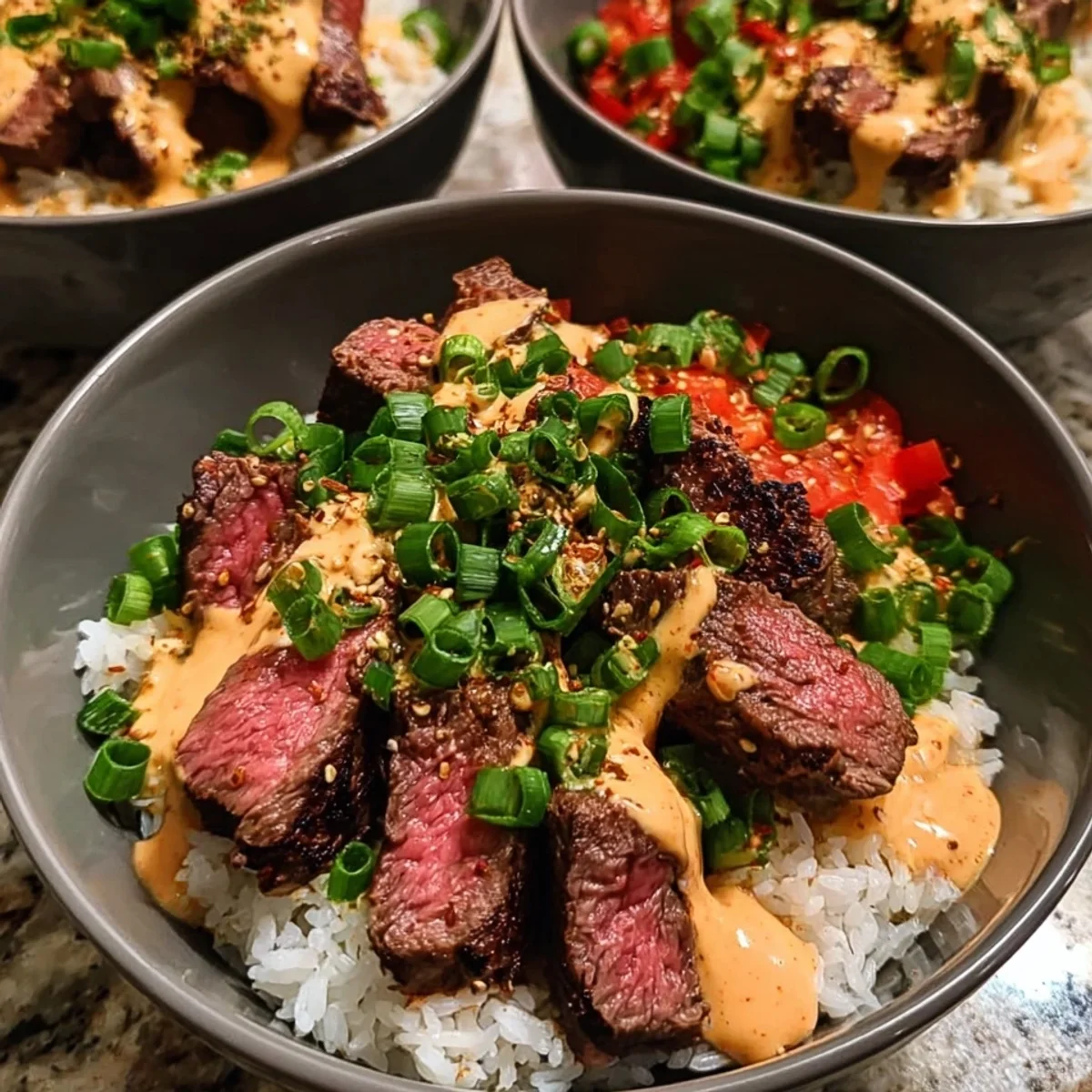
- Now for the grand finale! Grab your favorite bowls and spoon in a generous portion of that fluffy short-grain rice. Arrange slices of your perfectly seared steak on top. Artfully scatter your thinly sliced cucumber and shredded carrots around the steak. Drizzle that incredible spicy cream sauce generously over everything. Garnish with sesame seeds and maybe some chopped green onions for extra flair. Dig into these vibrant, flavor-packed bowls!
There’s something so incredibly satisfying about making these bowls. The smell of the steak searing, the vibrant colors of the fresh veggies, the anticipation as you drizzle that creamy sauce… it’s a whole sensory experience. Each time I make them, it feels like a little celebration in my kitchen. It’s a dish made with love, and you can taste it in every bite!
Storing Your Leftover Korean BBQ Steak Bowls
Okay, so you've got leftovers from your amazing Korean BBQ Steak Bowls? Lucky you! The best way to store them is to keep the components separate. Pop the cooked rice in one airtight container, the sliced steak in another, and the veggies (cucumber and carrots) in a third. The spicy cream sauce can go in a small jar or container. This keeps everything fresh and prevents the veggies from getting soggy. Everything will last beautifully in the fridge for 3-4 days. I've tried freezing fully assembled bowls before, and honestly, the texture of the cucumber just doesn't hold up. Stick to fridge storage for maximum deliciousness!

Swapping Ingredients for Your Korean BBQ Steak Bowls
I've had so much fun playing around with substitutions for these Korean BBQ Steak Bowls! If flank steak isn't your jam, skirt steak or even thinly sliced sirloin works really well. For the rice, brown rice or even quinoa can be a healthier, nuttier base, though I adore the classic short-grain. Don't have English cucumber? Regular cucumber works fine, just scoop out the seeds first. And if gochujang is hard to find, sriracha can give you a similar heat, though it won't have the same depth of flavor. Get creative with your toppings too kimchi, a fried egg, or even some pickled radishes are fantastic additions!
How to Serve Up Your Korean BBQ Steak Bowls
Oh, the serving possibilities for these Korean BBQ Steak Bowls are endless and so much fun! My absolute favorite way to serve them is with a generous dollop of kimchi that fermented kick is just divine with the savory steak and spicy sauce. A perfectly fried egg with a runny yolk on top? Yes, please! The yolk mixes with the rice and sauce for an extra layer of richness. Don't forget a sprinkle of toasted sesame seeds and some thinly sliced green onions for freshness and crunch. Sometimes I even add a side of quick pickled daikon radish for an extra tangy bite. So many ways to make your Korean BBQ Steak Bowls uniquely yours!
The Story Behind Korean BBQ Steak Bowls
The heart of these Korean BBQ Steak Bowls really comes from the incredible tradition of Korean BBQ, or gogi-gui. Imagine sizzling marinated meats, often cooked right at your table, surrounded by an array of vibrant banchan (side dishes). This recipe is my humble homage to that experience, bringing those bold, savory-sweet flavors into a convenient bowl format. While a traditional Korean BBQ might use different cuts and grilling methods, the spirit of tender, flavor-packed meat, fresh vegetables, and a comforting rice base is what I aimed to capture. It's a taste of Korea, made simple for your home kitchen, and a nod to a cuisine I've come to adore.
And there you have it, friends! My go-to recipe for Korean BBQ Steak Bowls. This dish has brought so much joy to my kitchen, and I hope it does the same for yours. The flavors, the textures, the sheer satisfaction… it’s just pure comfort in a bowl. Give it a try, snap a pic, and don't forget to share your creations with me! Happy cooking, everyone!

Questions About Making Korean BBQ Steak Bowls?
- What's the best steak cut for these bowls?
I always reach for flank steak because it's lean, affordable, and really soaks up the marinade well. Skirt steak is another fantastic option, offering great flavor and a tender bite when sliced correctly. You could even use sirloin if you prefer, just adjust cooking times slightly!
- Can I prepare these Korean BBQ Steak Bowls ahead of time?
Absolutely! You can marinate the steak up to 2 hours in advance (don't go longer!). The sauce can be made a day ahead and stored in the fridge. Cooked rice and prepped veggies are also great for meal prep, making assembly super quick when dinner time rolls around.
- How spicy is the cream sauce?
The heat level is totally up to you! Gochujang (Korean chili paste) provides a lovely warmth. Start with the recommended amount, then add more if you like it fiery, or less if you prefer a milder kick. You can always add a tiny bit more after tasting!
- Can I make a vegetarian version of these bowls?
Oh, for sure! Swap the flank steak for firm tofu or tempeh, pressed and marinated in the same delicious sauce. Pan-fry or bake until golden and crispy. It makes for an equally satisfying and flavorful vegetarian Korean BBQ Bowl experience!
- What kind of rice should I use?
Short-grain white rice is my top pick for these Korean BBQ Steak Bowls! It cooks up with a lovely sticky, chewy texture that's just perfect for absorbing all the delicious sauce and juices. Medium-grain rice would also work well if you can't find short-grain.
Korean BBQ Steak Rice Bowls with Spicy Cream Sauce
Flavorful Korean BBQ steak, fluffy rice, and a zesty cream sauce combine in these easy-to-make bowls. A quick, satisfying meal for any night.
Ingredients
The Sizzling Steak & Marinade
- 1 1/2 lbs flank steak
- 1/4 cup low-sodium soy sauce
- 2 tbsp light brown sugar, packed
- 1 tbsp toasted sesame oil
- 2 cloves garlic, minced
- 1 tsp grated fresh ginger
- 1/2 tsp black pepper
Fluffy Foundation & Fresh Accents
- 2 cups uncooked short-grain white rice
- 1/2 English cucumber, thinly sliced
- 1/2 cup shredded carrots
Spicy Cream Dream
- 1/2 cup mayonnaise
- 2 tbsp gochujang (Korean chili paste)
- 1 tbsp rice vinegar
- 1 tsp honey
- 1-2 tbsp water, for thinning
Garnish & Flavor Finishers
- 2 green onions, thinly sliced, for garnish
- 1 tsp toasted sesame seeds, for garnish
Instructions
-
1Marinate the SteakCombine 1/4 cup low-sodium soy sauce, 2 tbsp light brown sugar, 1 tbsp toasted sesame oil, 2 cloves minced garlic, 1 tsp grated fresh ginger, and 1/2 tsp black pepper in a bowl. Add 1 1/2 lbs flank steak, ensuring it's fully coated. Marinate for at least 20 minutes at room temperature, or up to 2 hours in the refrigerator, for flavorful Korean BBQ Steak Rice Bowls.
-
2Cook the RiceRinse 2 cups uncooked short-grain white rice thoroughly until water runs clear. Cook according to package directions, typically with a 1:1 or 1:1.25 rice-to-water ratio. Once cooked, keep warm, covered, until ready to assemble your Korean BBQ Steak Rice Bowls with Spicy Cream Sauce.
-
3Make Spicy SauceIn a small bowl, whisk together 1/2 cup mayonnaise, 2 tbsp gochujang, 1 tbsp rice vinegar, and 1 tsp honey. Add 1-2 tbsp water, a little at a time, until the sauce reaches a smooth, pourable consistency. This spicy cream sauce is a delicious component of your Korean BBQ Steak Rice Bowls.
-
4Sear the SteakHeat a large cast-iron skillet or grill pan over medium-high heat until very hot. Remove the flank steak from the marinade, letting excess drip off. Sear the steak for 3-5 minutes per side for medium-rare, or until desired doneness. Do not overcrowd the pan.
-
5Slice and RestTransfer the cooked flank steak to a cutting board and let it rest for 5-10 minutes. This allows juices to redistribute, ensuring tender meat for your Korean BBQ Steak Rice Bowls with Spicy Cream Sauce. Thinly slice the steak against the grain.
-
6Assemble BowlsDivide the cooked short-grain white rice among 4 bowls. Top generously with sliced Korean BBQ steak, 1/2 English cucumber, and 1/2 cup shredded carrots. Drizzle with the spicy cream sauce. Garnish with 2 thinly sliced green onions and 1 tsp toasted sesame seeds before serving.
Notes
For extra tender steak, marinate overnight in the refrigerator. Bring to room temperature for 20-30 minutes before cooking for more even searing.
Store leftover steak and rice separately in airtight containers for up to 3 days. The spicy cream sauce can be stored in the fridge for up to a week.
No flank steak? Skirt steak or sirloin steak can be used as alternatives. Adjust cooking times as needed for thickness.
Add a fried egg on top for an extra layer of richness, or a sprinkle of kimchi for fermented crunch and tang.
Equipment
Please check ingredients for potential allergens and consult a health professional if in doubt.
Nutrition Facts
It is important to consider this information as approximate and not to use it as definitive health advice.
Comments
Leave a Comment